Cart
0
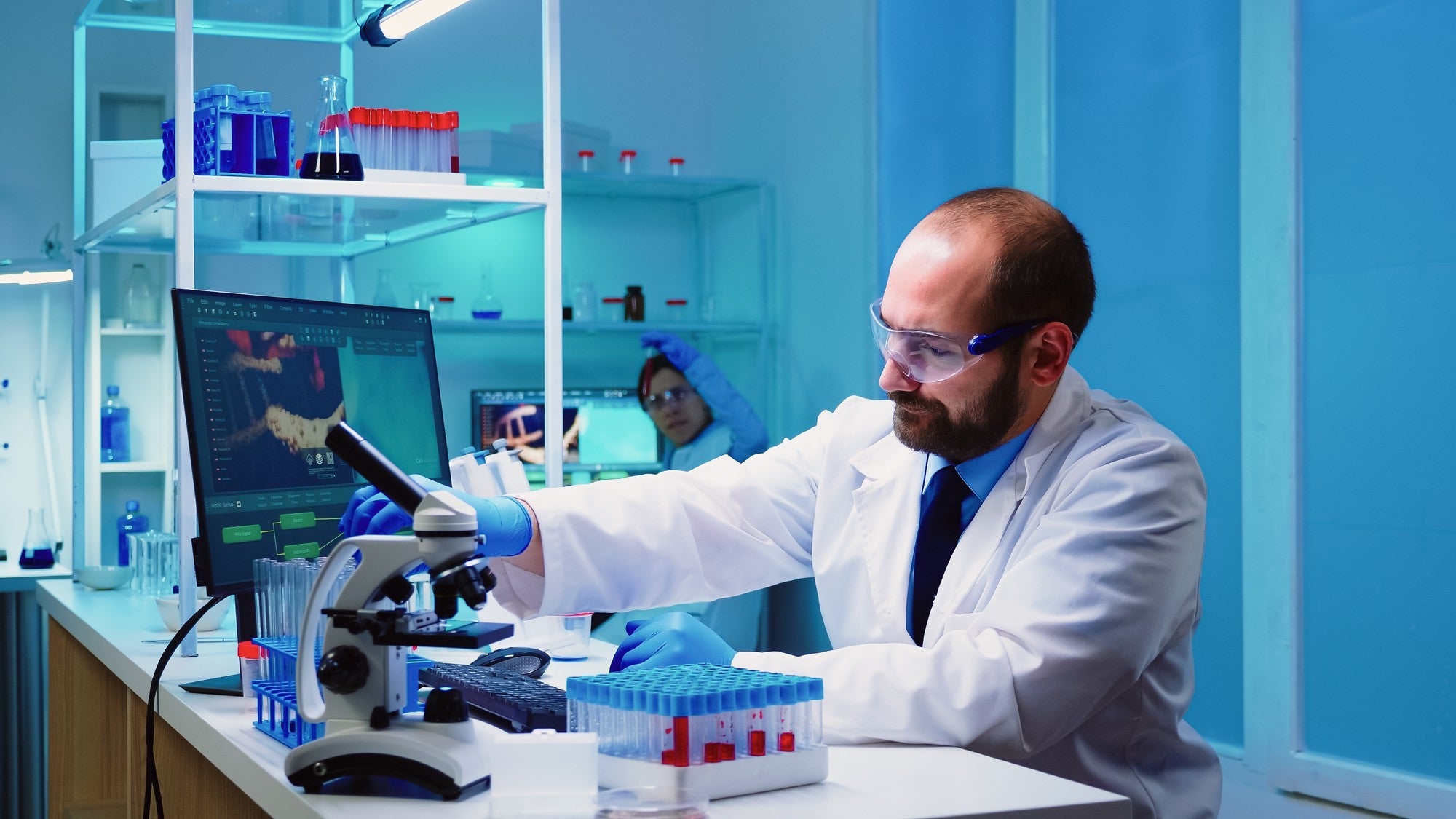
In the world of scientific research, precision is everything. Even the smallest variation in compound quality can significantly impact experimental outcomes. This is why high-purity materials are essential for laboratories working with peptides and biochemical compounds. At PeptivaX Labs, maintaining a purity level of at least 99 percent is a core standard that supports reliable and consistent research.
High-purity compounds reduce the risk of unwanted variables entering an experiment. When impurities are present, they can interfere with reactions, alter results, and make data difficult to interpret. Researchers depend on clean, consistent materials to ensure that their findings accurately reflect the behavior of the compound being studied. This is especially important in peptide research, where molecular interactions are highly specific.
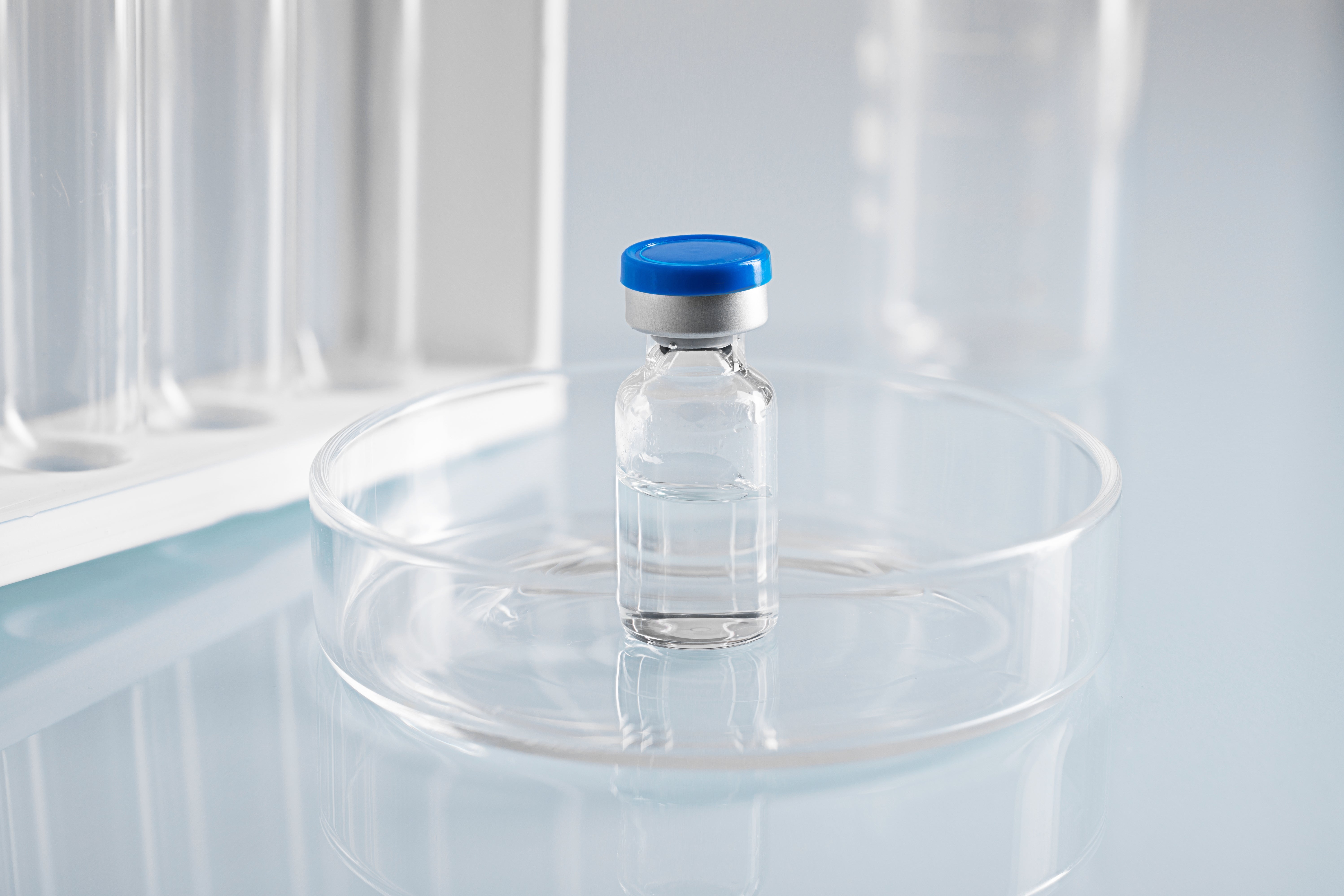
Lyophilization, or freeze-drying, is a commonly used process in preparing peptide compounds. This method removes moisture while preserving the structural integrity of the molecule. As a result, the compound remains stable over time and can be easily reconstituted when needed. This form is ideal for laboratories because it allows for long-term storage without significant degradation.
Reconstitution plays a critical role in preparing compounds for research use. Bacteriostatic water is often recommended because it helps prevent microbial growth while maintaining the stability of the peptide. Proper reconstitution techniques ensure that the compound retains its intended properties, allowing for accurate dosing and measurement during experiments.
Storage conditions are equally important. Many peptides require low temperatures, typically around negative twenty degrees Celsius, to maintain their stability. Exposure to heat, light, or moisture can degrade the compound and compromise research results. Laboratories must follow strict handling procedures to preserve the integrity of these materials.
Compounds such as NAD+, GHK-CU, and Tesamorelin are frequently studied in various research contexts due to their involvement in cellular processes. NAD+ is of particular interest in studies related to cellular energy and metabolism, while GHK-CU has been explored for its role in cellular signaling and regeneration. Tesamorelin is often examined in metabolic and endocrine research. Each of these compounds requires high purity to ensure accurate experimental outcomes.
At PeptivaX Labs, quality control is not just a requirement but a commitment. Every batch is produced with strict standards to ensure consistency and reliability. This allows researchers to replicate experiments and validate their findings with confidence.
It is also essential to emphasize that these compounds are intended solely for research purposes. They are not designed for medical or therapeutic use. Maintaining this boundary ensures that all research conducted remains within ethical and regulatory guidelines.
As scientific research continues to advance, the demand for high-quality compounds will only increase. Laboratories require dependable materials to push the boundaries of discovery and innovation. By providing high-purity products, PeptivaX Labs supports researchers in achieving accurate, meaningful results.